Can You Sue A Trucking Company Straight After A Crash? Faqs
Targets of truck accidents may be entitled to recoup numerous sorts of payment from the trucking business, relying on the specifics of the situation. Settlement in these instances commonly covers medical expenses, shed salaries, pain and suffering, and building damages. In serious instances where the accident results in long-lasting or irreversible injuries, victims might additionally be entitled to settlement for recurring medical care, recovery prices, and loss of making capacity.
What Settlement Can Be Recouped From A Trucking Business?
For instance, trucking companies are required by law to routinely examine and preserve their automobiles to ensure they are safe for procedure. Similarly, if a business works with a motorist without appropriately checking their history or credentials which chauffeur causes a mishap, the business could be held accountable for negligent working with practices. Along with vicarious responsibility, a trucking business can be taken legal action against directly for its very own neglect. Direct carelessness happens when the business stops working to fulfill its commitments under federal and state legislations to operate its business safely. Yes, it is feasible to take legal action against a trucking company straight after a mishap, yet there are specific lawful grounds called for to do so. In a lot of cases, the vehicle motorist might be the prompt root cause of the accident, however the trucking company could share duty.
We will non-stop represent our customers to make sure that their voice is heard which they are fully and entirely compensated for their damages and losses. What makes us different is that you, as a client, will have your lawyer's personal cell phone number to ensure that you can always communicate with your attorney about your situation.
When Is A Trucking Business Accountable For Negligent Hiring?
- However, it is necessary to note that vicarious obligation only applies when the motorist is doing tasks that are directly related to their work.For example, if the chauffeur was taking a detour for individual factors, the company might suggest that they should not be called to account under vicarious liability.In states that follow relative negligence legislations, the quantity of compensation an accident victim can recoup may be reduced if they are located to be partly responsible.An additional usual defense is comparative neglect, where the trucking company asserts that the crash was partially or completely the mistake of the various other chauffeur.
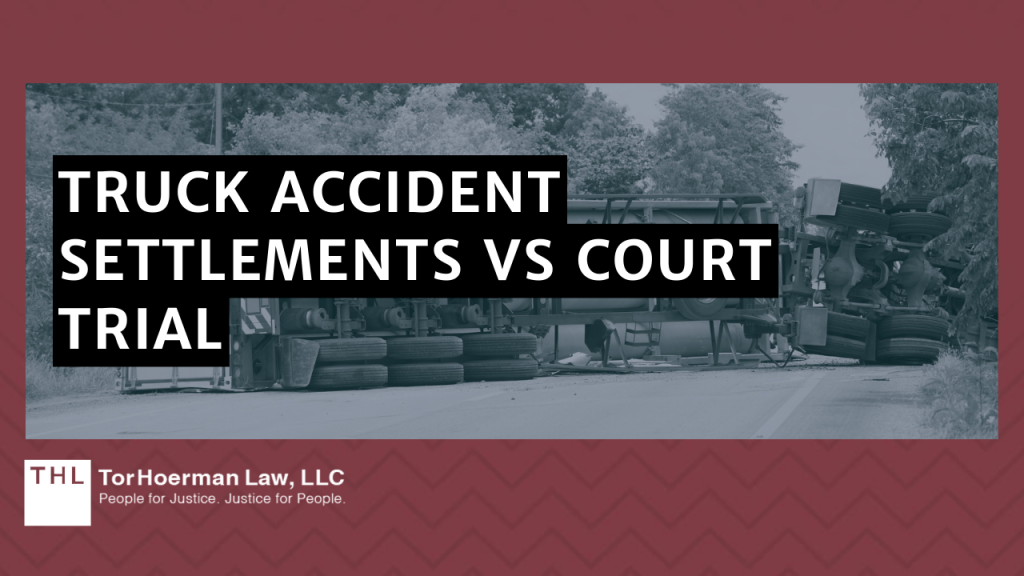
What Are Common Defenses Used By Trucking Business?
If you have actually been involved in a truck accident, it is vital to comprehend your civil liberties, exactly how trucking companies might be responsible, and just how to go after an insurance claim efficiently. Suing You can find out more a trucking firm is typically a complex procedure that needs a complete understanding of both state and government laws governing the trucking industry. These laws are designed to guarantee the security of both vehicle motorists and various other motorists when driving. A lawyer with experience in handling truck mishap instances can aid by examining the accident, collecting evidence, and identifying all prospective sources of responsibility. In addition to countervailing damages, victims might have the ability to recuperate compensatory damages if the trucking business's actions were particularly careless. Punitive damages are intended to penalize the defendant for outright conduct and prevent comparable actions in the future.
Trucking firms are anticipated to offer ongoing training to ensure their chauffeurs https://penzu.com/p/f08285b82ecf9251 follow safety and security protocols and understand the customary practices. When a business overlooks this duty, and an untrained or inadequately supervised driver creates an accident, the firm might be found liable for irresponsible guidance. Nonetheless, it is essential to note that vicarious responsibility just applies when the motorist is performing jobs that are straight associated with their work. If the vehicle driver was acting outside the range of their work tasks-- such as running an individual duty when the accident took place-- vicarious obligation might not apply.